
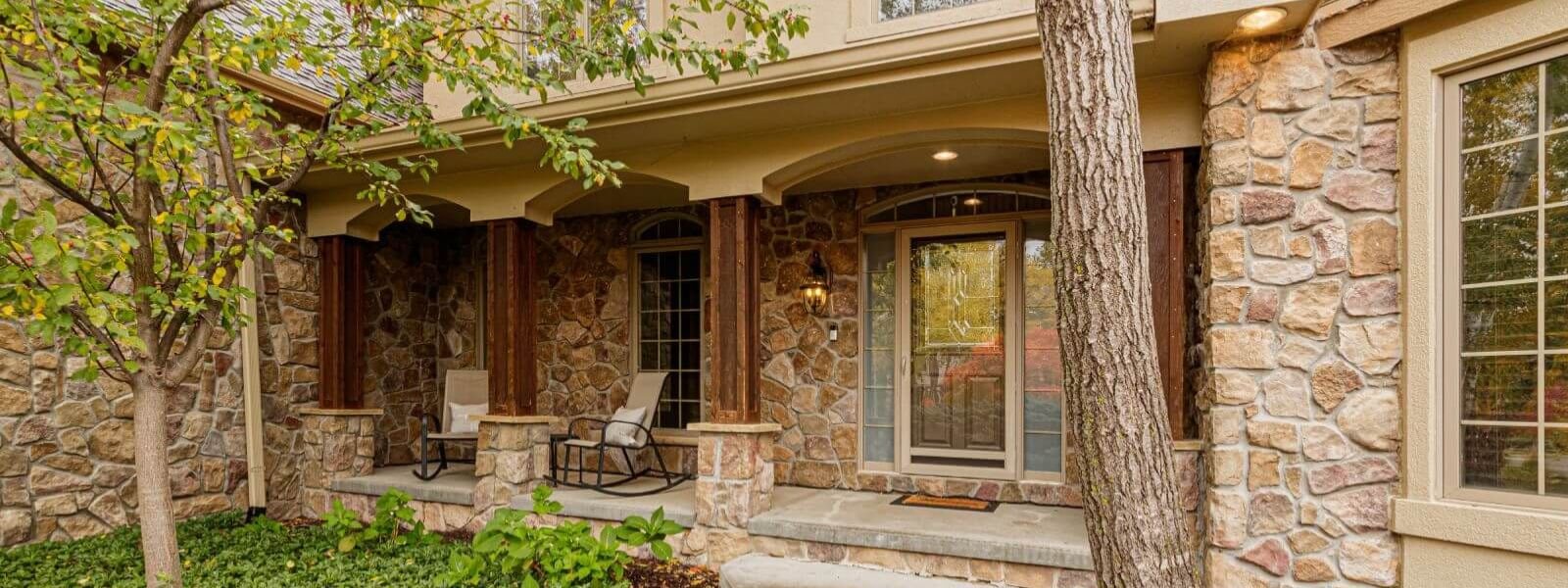
What I Look for Before I Take the First Photograph
Before I take the first photograph, I’m usually not thinking about the camera.
I’m looking at the property.
I want to understand what I’m standing in before I decide where the camera should go. Every room has a different set of visual relationships, and if I start photographing immediately, I’m making decisions before I’ve really looked at the space. I would rather spend a little time observing first, because the strongest photograph may not come from the most obvious position.
That first walk through the property is where I start figuring out what deserves attention.
I Look at How the Property Wants to Be Seen
Every property has certain things that immediately catch my eye.
It might be the way the kitchen opens into the living area. It might be a particularly strong architectural feature, a large window, an interesting staircase or the way natural light moves through a room. Sometimes it is something much simpler, like the relationship between a piece of furniture and the surrounding space.
I’m looking for those things before I start deciding on individual photographs.
I also want to understand what connects the spaces. A room can look great on its own, but the way it relates to the room next to it may be just as important. If I understand that relationship before I start shooting, I can make better decisions about which angles actually help someone understand the property.
I Pay Attention to the Light Before I Decide Where to Stand
Light can completely change how I approach a room.
I’m looking at where the natural light is coming from, how strong it is and what it is doing to the space. I’m also paying attention to the interior lighting and how the different sources work together.
I don’t want to assume that the brightest possible photograph is automatically the best photograph. A room needs some dimension. Shadows, highlights and the direction of the light can all help communicate the shape and character of a space.
That means I want to understand the light before I start choosing camera positions. Sometimes the best composition becomes obvious once I see how the room is actually being lit.
I Look for the Strongest Point in Each Room
I don’t think every part of a room deserves equal attention.
If there is a beautiful fireplace, an interesting view or a particularly well-designed kitchen, I want to recognize that before I start filling a shot list. Those elements may influence everything else about the composition.
This is also where I think restraint becomes important. A wide photograph that includes everything isn’t necessarily the strongest photograph. Sometimes moving closer or leaving something outside the frame gives the most important feature much more presence.
I’m trying to figure out what the viewer should notice first.
That doesn’t mean every photograph needs an obvious focal point. A simple bedroom may be about the proportions, the light or the relationship between the bed and the windows. The point is to understand what makes that particular space worth photographing before deciding how to photograph it.
I Look at the Property as a Whole, Not Just One Room at a Time
It’s easy to photograph a house as a series of individual rooms.
Kitchen. Living room. Bedroom. Bathroom. Done.
But a property isn’t really experienced that way.
When I’m walking through a home, I’m paying attention to how those spaces connect. I want to understand sightlines, transitions and the overall flow. A photograph can show someone what a room looks like, but the collection of photographs should also help them build a mental picture of the property.
That is one reason I don’t want to rush into the first frame.
If I understand the property as a whole, I can make better decisions about which individual views are actually useful. I can avoid creating a gallery of photographs that all communicate roughly the same thing while missing the relationships that make the property interesting.
I Look for What Doesn’t Need to Be in the Photograph
This may be one of the less obvious parts of the process.
I’m not only deciding what to include. I’m deciding what can be left out.
A doorway might be distracting. A piece of furniture might interrupt an important sightline. A corner of a room may add nothing to the composition. A slightly different camera position might eliminate all of those problems without changing the room itself.
That’s why I think photography involves a certain amount of editing before the shutter is ever pressed.
The camera sees everything inside the frame. I have to decide what belongs there.
The First Photograph Is Really the Result of Everything I Saw Before It
By the time I take that first photograph, I want to have a pretty good idea of what I’m trying to accomplish.
I’m not looking for a formula that says every kitchen gets photographed from this height or every bedroom gets the same angle. The property should influence those decisions.
For me, the first photograph is the beginning of the visual presentation, but the thinking starts before the camera comes up.
I want to know what is interesting. I want to understand the light. I want to see how the spaces relate to one another. I want to recognize what should receive attention and what should stay out of the frame.
Then I can start making photographs instead of simply taking pictures.
FAQs
What do you look for before photographing a property?
I look at the architecture, natural light, strongest visual features, room relationships, sightlines and overall flow before deciding where to place the camera.
Why walk through a property before taking photographs?
A walkthrough gives me a chance to understand the property as a whole and make more deliberate decisions about which views will communicate it best.
Do you decide the camera position immediately?
Not necessarily. I prefer to understand the room first, including the light, composition and features that deserve attention.
How important is lighting before taking a real estate photograph?
Very important. Understanding where the light is coming from and how it interacts with the room can influence both camera position and composition.
Do you photograph every room the same way?
No. Different rooms have different visual characteristics, so I think the approach should respond to the individual space.
Why don’t you always use the widest possible angle?
A wider view can show more of a room, but it can also create distortion or weaken the composition. The goal is to show the space clearly without sacrificing its natural proportions.
What makes a room worth photographing from a particular angle?
It could be an architectural feature, a view, the relationship between spaces, the available light or another element that gives the room visual interest.
Why is deciding what to leave out important?
Removing distractions from the frame can make the important elements of a room easier to see and can create a stronger composition.
Do you plan the entire photography session before taking the first photo?
I don’t think every decision needs to be predetermined. I want to understand the property first, then let what I see guide the photography.
What is the goal of the first photograph?
The first photograph should be the result of understanding the property rather than simply being the first image captured. It sets the direction for the visual presentation that follows.
The camera comes second
I think the most important part of the first photograph happens before the camera is raised.
I’m looking, considering and making decisions about the property. Once I understand what deserves to be seen, the camera becomes the tool for communicating that decision.
That’s the part of real estate photography I find most interesting. The photograph may take a fraction of a second to capture, but the thinking behind it starts well before that.
If you’re preparing a property for market on Long Island and want to talk about how I approach its visual presentation, I’m happy to have that conversation.