
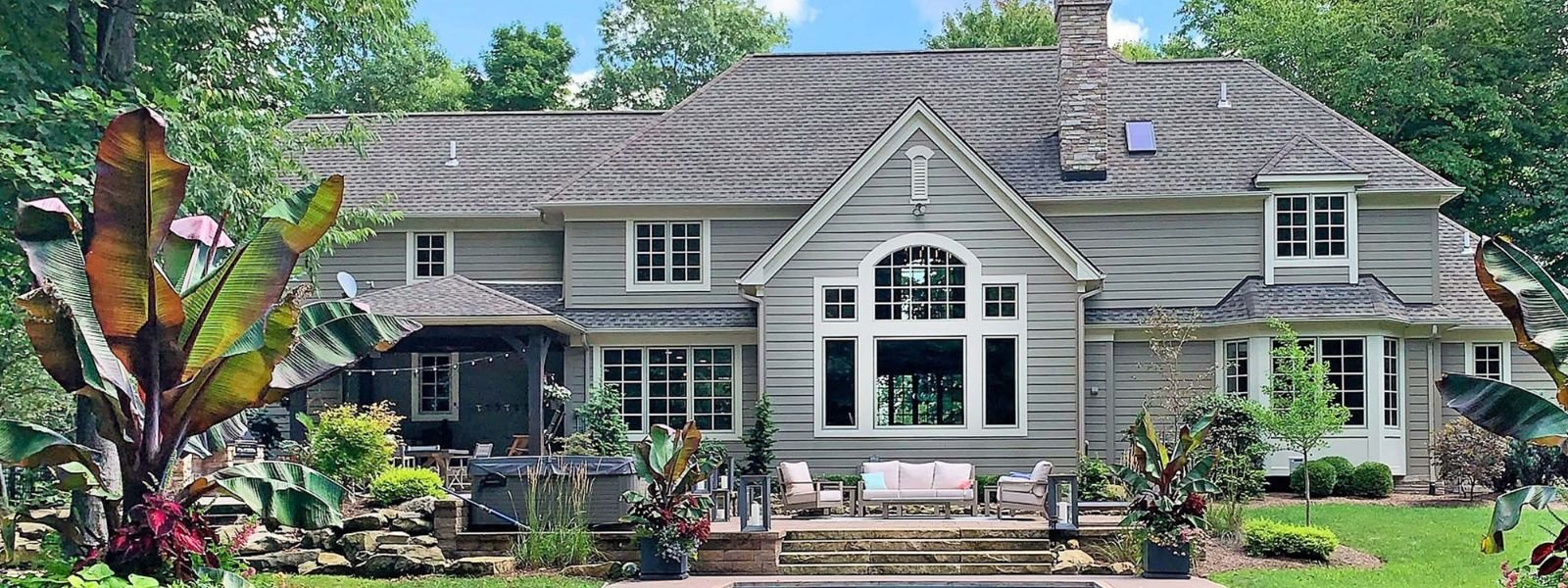
The First Photograph Has a Tough Job
The first photograph in a listing has a job that the other photographs don’t quite have.
It has to introduce the property before the viewer knows anything about it. Before they have seen the kitchen, walked through the bedrooms or looked at the floor plan, this one image is asking them to decide whether they want to see more.
That doesn’t mean the first photograph needs to show the entire house. In fact, I think trying to make one image explain everything can be exactly the wrong approach. The first photograph needs to give the viewer enough information to understand what they’re looking at, while leaving enough visual interest to make the next photograph worth seeing.
That’s a fairly demanding assignment for one frame.
The First Image Sets the Direction for Everything After It
When I think about the first photograph, I don’t think of it as simply the “best” photo from the shoot.
The best photograph of the property might be a beautiful detail of the kitchen, an architectural feature or a spectacular view. Those images can be important, but they may not be the right place to begin. The first image has to work as an introduction.
I want it to establish something about the property. Maybe that’s the architecture. Maybe it’s the relationship between the main living spaces. Maybe there’s a particularly strong view or an unusual feature that immediately tells you this isn’t just another house.
The photograph should give me a sense of what kind of property I’m about to explore.
That doesn’t require showing everything. It requires choosing the right thing to show first.
More Information Can Actually Make the First Photograph Weaker
There is a natural temptation to make the first image as comprehensive as possible.
If I can show the kitchen, living room, dining area and windows all in one frame, it might seem like I’m giving the viewer more value. But there is a point where more information starts competing with itself.
A room can have beautiful cabinetry, interesting architecture, great furniture and an incredible view. If I force all of those elements into the same photograph, none of them may have enough visual weight to really stand out.
The image becomes a summary instead of an invitation.
I’d rather make a clear decision about what the first photograph is trying to communicate. The rest of the listing can provide the additional information.
This is one reason I don’t think the widest photograph is automatically the best first photograph. Sometimes showing a little less creates a much stronger introduction.
The First Photograph Should Give the Viewer a Place to Start
When I look at a property photograph, I want to know where my eye is supposed to go.
That doesn’t mean the composition has to be dramatic. It can be as simple as a strong architectural line, a well-positioned piece of furniture, a window drawing the eye toward a view or a relationship between two spaces that makes the room immediately understandable.
What I don’t want is a frame where everything has equal importance.
If I have to search around the photograph to figure out what I’m supposed to notice, the image may be asking too much from the viewer. A strong first photograph gives the eye an obvious starting point and then lets the rest of the frame unfold from there.
That becomes particularly important when the image is viewed quickly, whether it’s in a listing gallery or somewhere else online.
The photograph has to work before the viewer has made a conscious decision to study it.
It Doesn’t Have to Be the Most Dramatic Photograph
I’ve seen enough real estate photography to know that “dramatic” can become a goal in itself.
Extreme perspectives, exaggerated skies and aggressive editing can certainly make an image noticeable. But noticeable isn’t necessarily useful.
The first photograph still has to represent the property.
If the home has beautiful architecture, I’d rather let the architecture do the work. If the strongest quality is the connection between the interior and exterior, I want the photograph to communicate that. If the property has a great view, I don’t need to manufacture drama around it.
The interesting part should come from the property itself.
My job is to recognize what is interesting and make a good decision about how to put it in front of the viewer.
The First Photograph Should Make the Second Photograph Feel Necessary
This is probably the part of the process I find most interesting.
I don’t think a listing should be viewed as a collection of unrelated photographs. The images should work together.
The first photograph introduces the property. The next image can answer a question created by the first. Another can take the viewer into a different room. Another might reveal a detail that wasn’t obvious in the wider photograph.
That creates a natural progression.
If the first image shows a beautiful open living space, I might want the next photograph to help me understand where that space leads. If the first image establishes an exterior view, another image can show the room that connects to it. If the first photograph focuses on architecture, the following images can give me a better sense of how that architecture continues through the property.
The first photograph doesn’t have to tell the whole story.
It has to make you interested in seeing the rest.
Sometimes the Right First Photograph Isn’t the One You Expected
This is why I don’t think the first photograph should always be decided before seeing the property.
I want to walk through the space first.
I want to see the light, understand the layout and figure out what gives the property its visual character. Once I understand those things, I can start thinking about which photograph deserves to introduce everything else.
Sometimes that will be the obvious exterior.
Sometimes it will be a living space.
Sometimes it might be a view or an architectural feature that immediately tells you something unusual about the property.
The point is that the property should determine the answer.
A formula can tell you what is safe. Looking carefully can tell you what is interesting.
The First Photograph Doesn’t Have to Sell the House
I think that’s an important distinction.
The first photograph isn’t responsible for convincing someone to buy the property. It can’t do that, and it shouldn’t try.
Its job is much simpler.
It needs to make the property worth exploring.
If the photograph gives the viewer a clear sense of the property while creating some curiosity about what comes next, it has done its job. The rest of the images can build on that initial impression and give the viewer a much fuller understanding of the space.
That’s a lot to ask from one photograph.
But when the first image is chosen carefully, the entire listing can feel more intentional because of it.
FAQs
Why is the first photograph in a real estate listing so important?
It introduces the property before the viewer has seen any of the other images. It needs to establish visual interest and give the viewer a reason to continue exploring.
Should the first listing photo show the entire room?
Not necessarily. A strong first photograph may communicate one important aspect of the property rather than trying to show everything at once.
Should the exterior always be the first real estate photograph?
No. The best opening image depends on the property and what makes it visually distinctive.
Should the first photograph be the most dramatic image?
Not necessarily. It should be compelling while still representing the property naturally and accurately.
Does the widest photograph make the best first image?
No. A very wide image can sometimes include too much information and weaken the composition.
What should a photographer consider when choosing the first photograph?
The property’s strongest visual characteristics, the composition, the light, the layout and what would make the viewer want to explore further.
Can the first photograph influence how the rest of the listing is viewed?
Yes. It establishes the visual direction for the images that follow and can affect how the viewer begins to understand the property.
Should the first photograph include multiple rooms?
It can, especially when the relationship between those spaces is one of the property’s strengths. But including multiple rooms isn’t automatically better.
Can a detail photograph be the first image?
It can work in the right situation, particularly when the detail reveals something distinctive about the property. It needs to function as an introduction rather than simply an isolated close-up.
What makes a strong first listing photograph?
A strong first photograph gives the viewer an immediate sense of the property, establishes a clear visual point of interest and creates enough curiosity to encourage further exploration.
Choosing what comes first
The first photograph has a difficult balance to maintain. It needs to be interesting without becoming theatrical, informative without trying to explain everything and strong enough to make the viewer want to see what comes next.
For me, that decision starts before the camera comes out. I want to understand the property first, then decide which view deserves to be the introduction.
Because once that first photograph is on the screen, the viewer has already started deciding whether the property is worth another look.
If you’re preparing a property in Nassau or Suffolk County and want to think through how the photography should introduce it, that’s a conversation I’m happy to have.